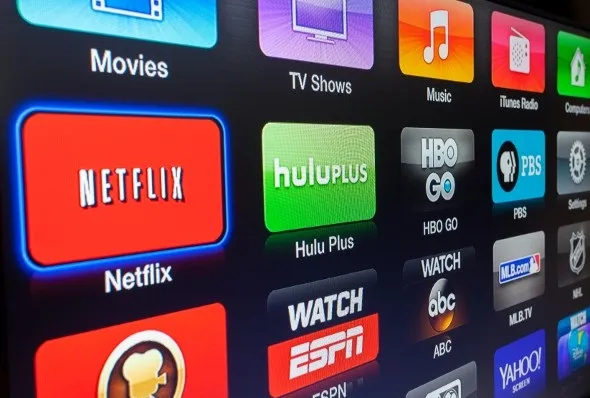
In 2025, securing distribution on streaming platforms is not just advantageous, it’s an absolute necessity for the success and visibility of any film and television show. The media landscape has undergone a seismic shift, with streaming services now dominating how audiences consume content. Here’s why getting your project onto these platforms is paramount:
Unparalleled Reach and Accessibility:
- Vast Audience: Streaming platforms boast hundreds of millions of subscribers globally. For instance, by 2025, the number of worldwide subscriptions to online video streaming services is estimated to be around 1.8 billion. This provides an unprecedented potential audience that traditional broadcast or theatrical releases simply cannot match.
- Convenience: Viewers expect to access content on demand, anytime and anywhere, across multiple devices. Streaming platforms cater to this expectation, making your work readily available to a massive and engaged audience.
- Global Distribution: Many streaming services have a worldwide presence, instantly exposing your film or show to international markets without the complexities of traditional international distribution deals.
Enhanced Visibility and Discoverability:
- Algorithmic Promotion: Streaming platforms utilize sophisticated algorithms to recommend content to viewers based on their viewing habits and preferences. This can significantly increase the discoverability of your project to relevant audiences.
- Marketing and Promotion: While you may still need to undertake your own marketing efforts, being on a major platform often comes with some level of platform-driven promotion, such as featuring on homepages or in genre-specific collections.
- Long Tail Viewing: Unlike theatrical releases with limited runs, content on streaming platforms can be discovered and watched by new audiences for years to come, creating a long tail of viewership and potential revenue.
Revenue Generation and Business Models:
- Subscription Revenue: While the specifics vary by platform and deal, streaming can provide a consistent revenue stream through licensing fees or revenue-sharing models based on viewership.
- Ad-Supported Tiers: The rise of ad-supported streaming options can create new revenue opportunities and attract a wider audience willing to watch content with advertisements for a lower subscription cost.
- Data-Driven Insights: Streaming platforms provide valuable data on viewership, audience demographics, and engagement, allowing creators and distributors to understand their audience better and inform future projects and marketing strategies.
The Evolving Streaming Landscape in 2025:
- Consolidation and Bundling: The streaming market is expected to see further consolidation and the rise of bundling, where multiple services are offered together. Being part of a larger offering can increase visibility.
- Increased Competition: With more content than ever available, standing out requires strategic planning and potentially niche targeting.
- Importance of Exclusive Content: Exclusive content remains a key driver for subscriptions. Having a unique and compelling film or show can be a significant asset in securing a deal.
Challenges to Consider:
- Negotiating Deals: Securing favorable deals with streaming platforms can be complex and requires understanding licensing agreements and revenue models.
- Content Saturation: The sheer volume of content on streaming services means your project needs to be high quality and effectively marketed to cut through the noise.
- Discoverability Algorithms: While algorithms can help, understanding how they work and optimizing your content for discoverability is crucial.
In conclusion, in 2025, streaming platforms are the dominant force in film and television distribution. For filmmakers and content creators, securing a place on these platforms is essential for reaching a global audience, building a sustainable career, and maximizing the impact and profitability of their work. While challenges exist, the opportunities presented by streaming are too significant to ignore.

Byron Jones